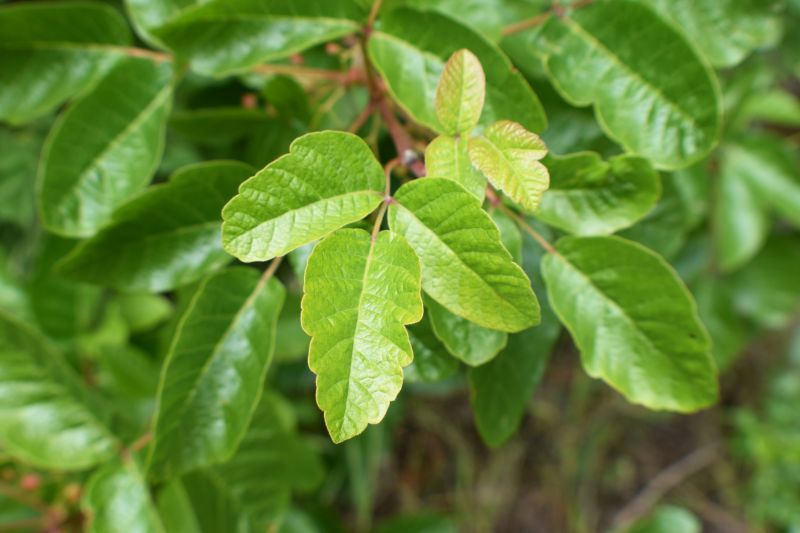
Poison Oak Removal in Lancaster, PA
Poison oak removal services are designed to safely eliminate this hazardous plant from residential properties, helping homeowners protect their families and pets from skin irritations and allergic reactions. These services typically cover projects such as clearing poison oak from yards, gardens, wooded areas, or other outdoor spaces where the plant has taken root. Property owners often seek this service when poison oak has become overgrown, is encroaching on recreational areas, or poses a risk to children and outdoor enthusiasts.
Before requesting poison oak removal, property owners should understand the extent of the infestation, including the size of the affected area and the density of the plants. It is also helpful to know whether the plants are accessible for safe removal and if there are any nearby structures or native plants that require special consideration. Proper identification of poison oak is essential to ensure effective removal and to prevent accidental contact with other similar-looking plants.
Many property owners in Lancaster, PA look into Poison Oak Removal for repairs, replacements, upgrades, and appearance-related improvements.
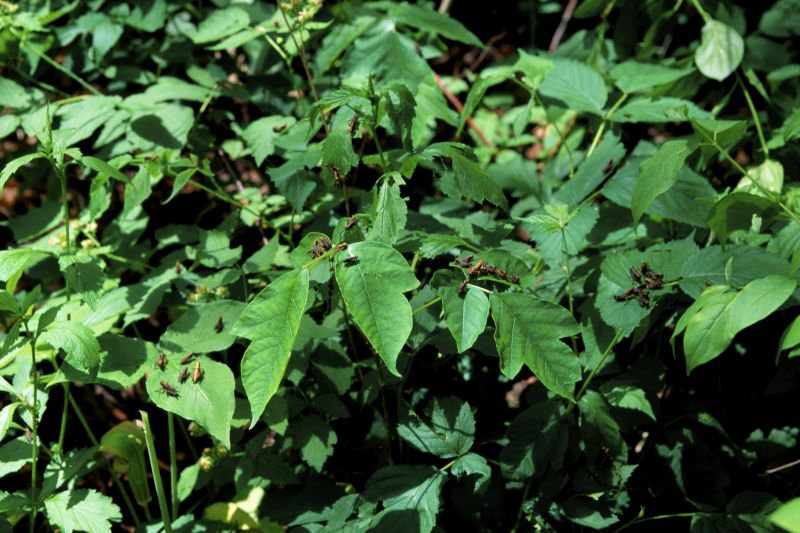
Poison Oak Identification
Recognizing poison oak growth is essential for safe removal and property protection.
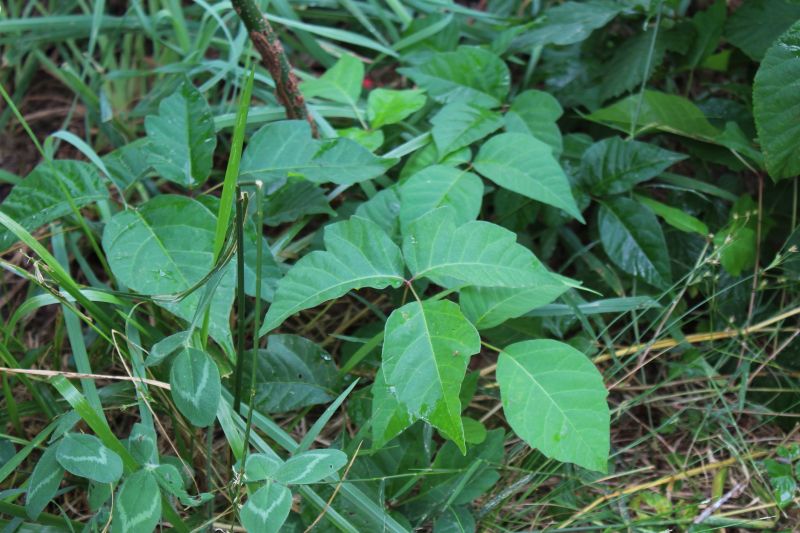
Hazard Reduction
Removing poison oak helps prevent skin irritation and potential allergic reactions for residents.
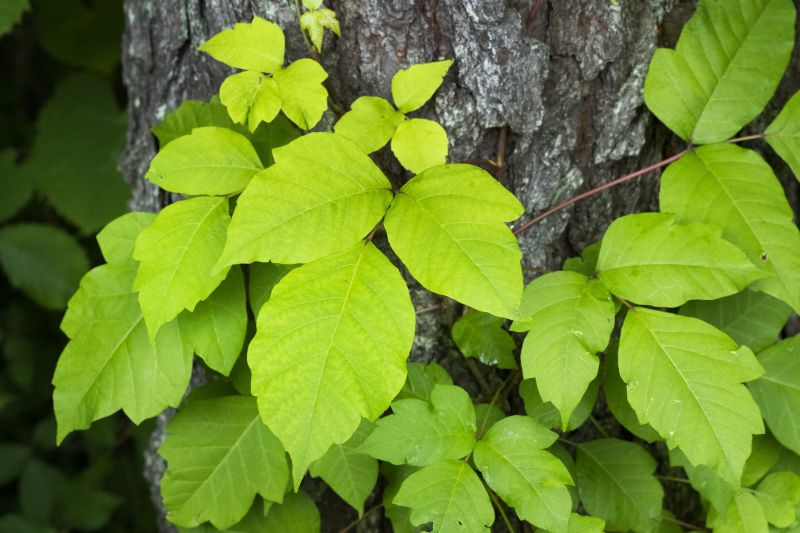
Property Maintenance
Effective poison oak removal maintains the safety and appearance of residential and commercial landscapes in lancaster.
Poison Oak Removal in Lancaster, PA
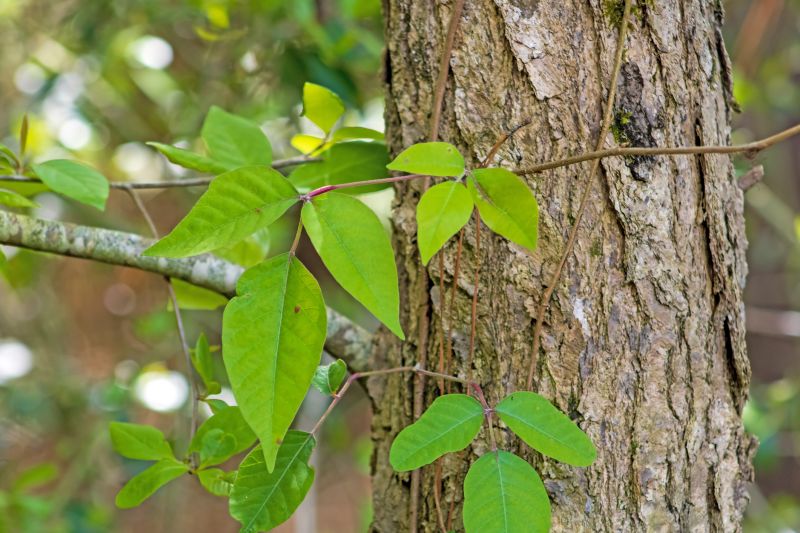
Poison oak removal services are designed to safely eliminate this hazardous plant from residential properties, helping homeowners protect their families and pets from skin irritations and allergic reactions. These services typically cover projects such as clearing poison oak from yards, gardens, wooded areas, or other outdoor spaces where the plant has taken root. Property owners often seek this service when poison oak has become overgrown, is encroaching on recreational areas, or poses a risk to children and outdoor enthusiasts.
Before requesting poison oak removal, property owners should understand the extent of the infestation, including the size of the affected area and the density of the plants. It is also helpful to know whether the plants are accessible for safe removal and if there are any nearby structures or native plants that require special consideration. Proper identification of poison oak is essential to ensure effective removal and to prevent accidental contact with other similar-looking plants.
Many property owners in Lancaster, PA look into Poison Oak Removal for repairs, replacements, upgrades, and appearance-related improvements.
Common Poison Oak Removal Jobs
Poison Oak Removal - Safely eliminates poison oak from residential landscapes to prevent skin irritation.
Yard Clearing - Clears infested areas to restore safety and improve outdoor enjoyment.
Bush and Shrub Removal - Removes affected bushes and shrubs to prevent further spread.
Property Maintenance - Maintains yard health by controlling poison oak growth over time.
Vegetation Management - Manages invasive plants to protect native landscaping.
Land Clearing - Prepares properties for new landscaping or construction by removing poison oak.
Poison Oak Removal Questions
What is poison oak? Poison oak is a plant that can cause skin irritation upon contact, common in wooded and brushy areas around Lancaster, PA.
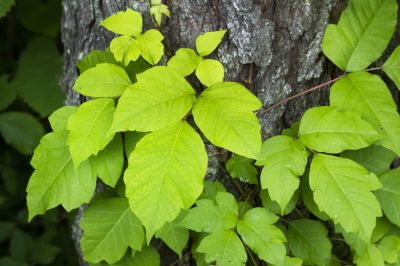
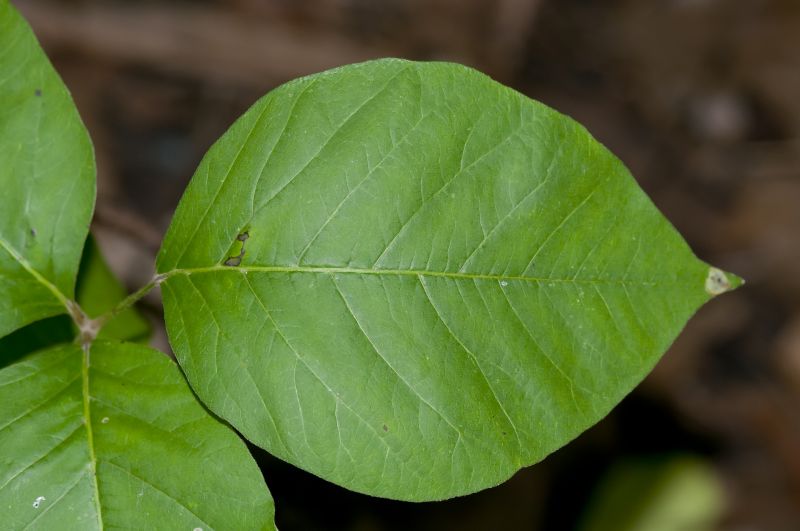
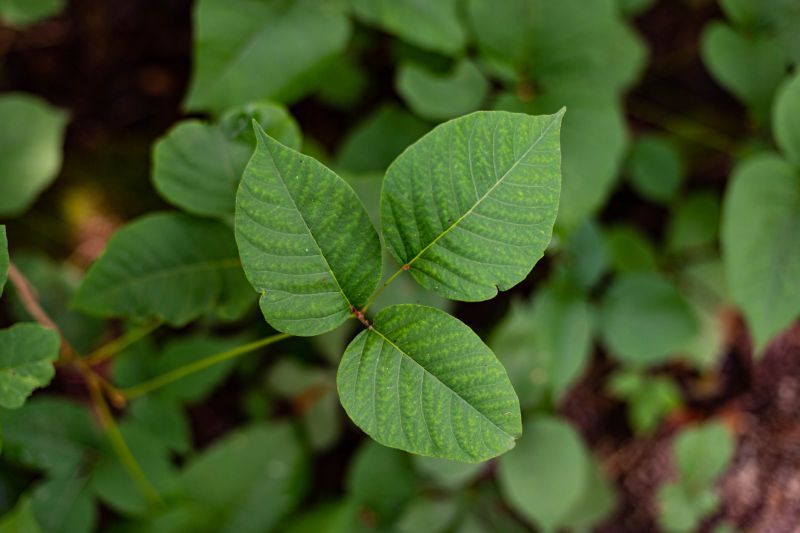
How can poison oak be identified? It typically has leaves in groups of three, with a reddish hue in spring and fall, and may develop a shiny or matte appearance.
When should removal be performed? Removal is recommended when poison oak plants are within reach of people or pets, especially in areas with frequent outdoor activity.
What methods are used for poison oak removal? Removal involves physically cutting, pulling, or applying targeted herbicides to eliminate the plants safely and effectively.
Request Poison Oak Removal in Lancaster, PA
Use the quote form on this page to share the basics of your project and request more information for the type of work you need.