Poison Ivy Removal in Burlington County, NJ
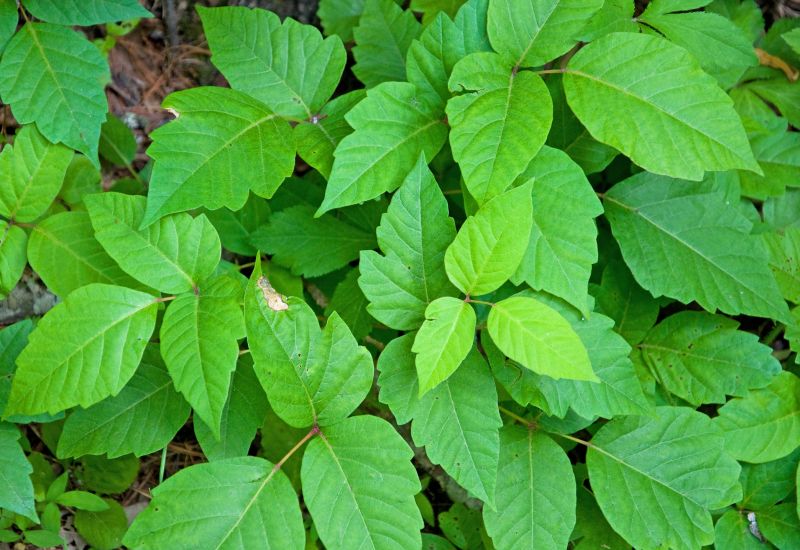
Poison ivy removal services focus on safely eliminating this invasive plant from residential properties, including yards, gardens, and wooded areas. These services typically cover the identification and removal of poison ivy, along with related plants such as poison oak and poison sumac. Property owners often request this service to prevent skin irritation, allergic reactions, and to protect children, pets, and visitors from accidental contact. Understanding the extent of the growth, the location of the plants, and whether the removal involves small patches or larger infestations helps determine the appropriate approach and necessary tools.
Before requesting poison ivy removal, homeowners should consider the size and accessibility of affected areas, as well as any nearby structures or landscaping features. It’s also useful to know if the plants are growing on the ground, on trees, or on fences, as this can influence the removal method. Property owners typically want to ensure the plants are thoroughly and safely removed to prevent regrowth, and may inquire about proper disposal methods to avoid spreading seeds or roots. Clear communication about the scope of the project helps facilitate an effective and safe removal process.
Many property owners in Burlington County, NJ look into Poison Ivy Removal for repairs, replacements, upgrades, and appearance-related improvements.
Understanding Poison Ivy
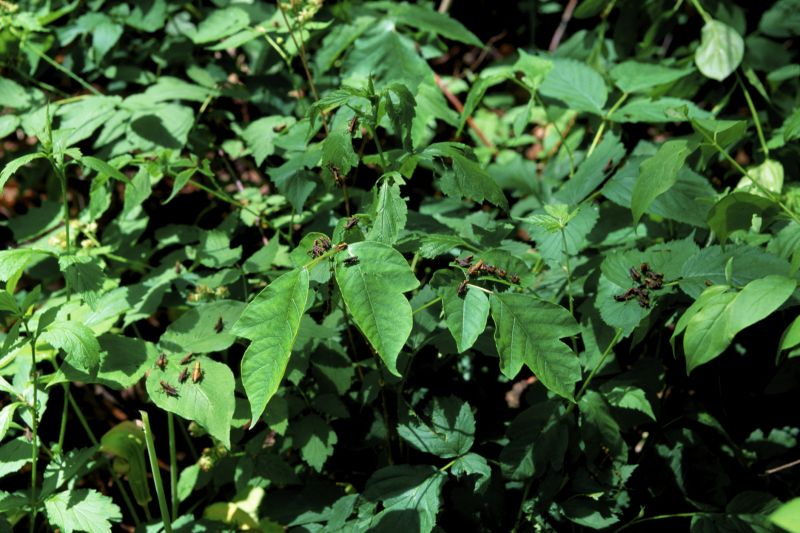
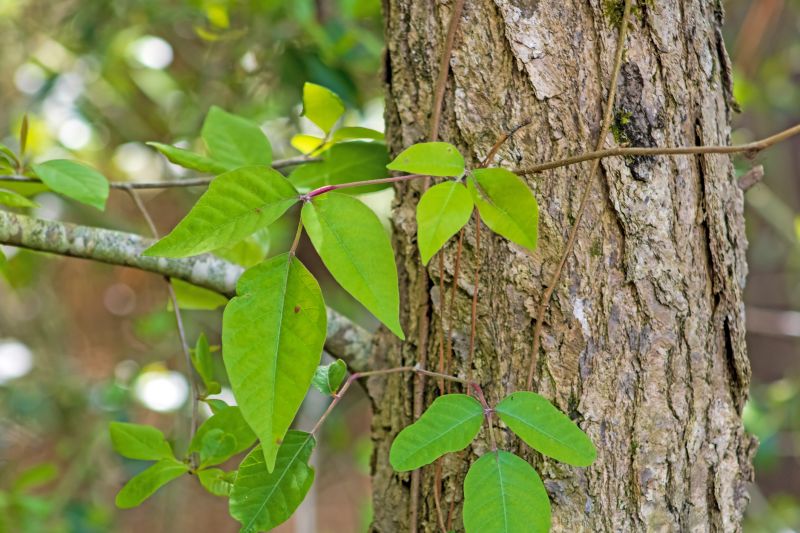
Poison ivy can grow on various surfaces including trees, fences, and ground cover in burlington county neighborhoods.
Signs Of Poison Ivy Presence
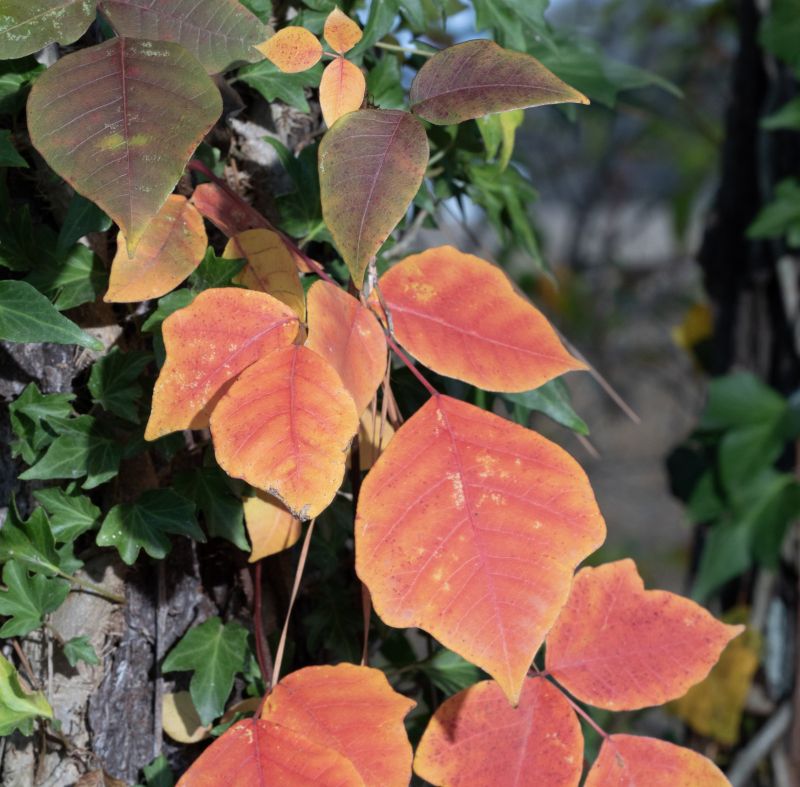
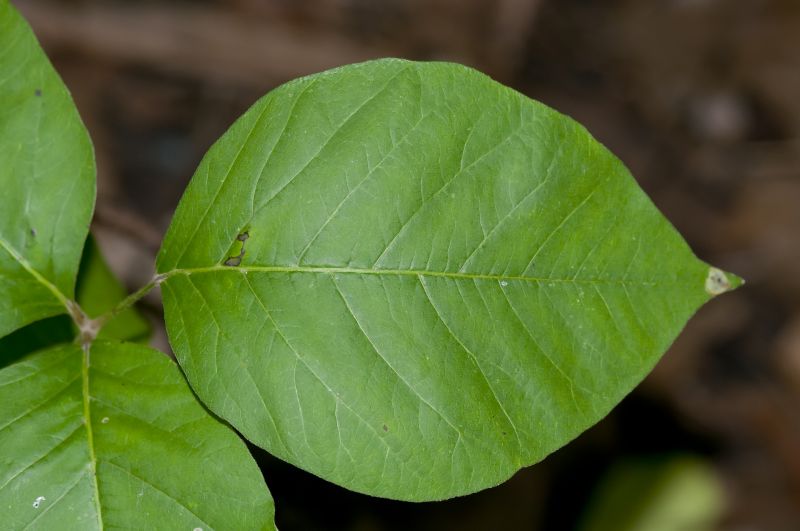
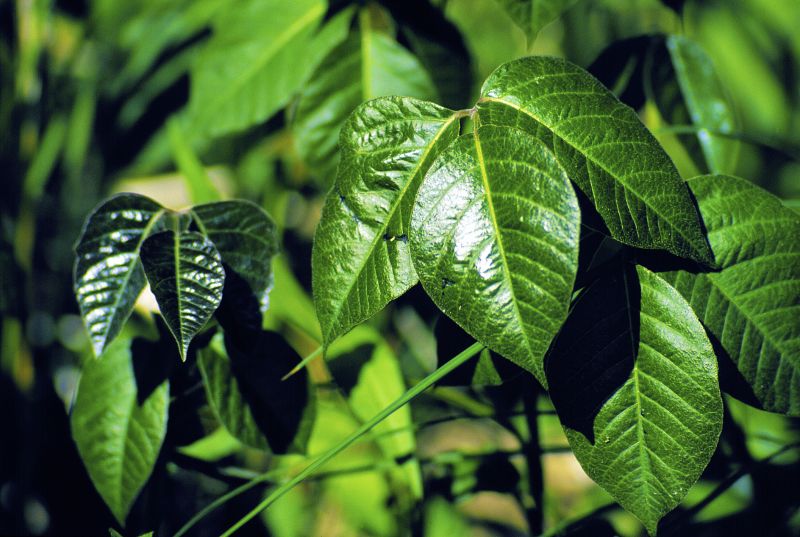
Look for clusters of three-leaf plants with glossy, reddish stems that may cause skin irritation upon contact.
Removal And Prevention Tips
Proper removal involves careful handling to prevent spreading and future growth on residential and commercial properties.
Poison Ivy Removal in Burlington County, NJ
Poison ivy removal services focus on safely eliminating this invasive plant from residential properties, including yards, gardens, and wooded areas. These services typically cover the identification and removal of poison ivy, along with related plants such as poison oak and poison sumac. Property owners often request this service to prevent skin irritation, allergic reactions, and to protect children, pets, and visitors from accidental contact. Understanding the extent of the growth, the location of the plants, and whether the removal involves small patches or larger infestations helps determine the appropriate approach and necessary tools.
Before requesting poison ivy removal, homeowners should consider the size and accessibility of affected areas, as well as any nearby structures or landscaping features. It’s also useful to know if the plants are growing on the ground, on trees, or on fences, as this can influence the removal method. Property owners typically want to ensure the plants are thoroughly and safely removed to prevent regrowth, and may inquire about proper disposal methods to avoid spreading seeds or roots. Clear communication about the scope of the project helps facilitate an effective and safe removal process.
Many property owners in Burlington County, NJ look into Poison Ivy Removal for repairs, replacements, upgrades, and appearance-related improvements.
Common Poison Ivy Removal Jobs
Poison Ivy Removal - safely eliminates invasive plants from residential and commercial properties.
Yard Clearing - removes poison ivy from lawns, gardens, and landscape beds.
Fence Line Clearing - clears vines from fences and boundary structures.
Tree and Shrub Trimming - removes poison ivy growing on or near trees and shrubs.
Property Maintenance - prevents future growth of poison ivy in landscaped areas.
Landscaping Services - integrates poison ivy removal into ongoing yard and garden care.
Poison Ivy Removal Questions
What is poison ivy removal? Poison ivy removal involves safely eliminating the plant from residential or commercial properties to prevent skin irritation and environmental spread.
When should poison ivy be removed? Removal is recommended when the plant poses a risk to people, pets, or landscaping, especially during the growing season when it’s most active.
What areas are typically targeted for removal? Poison ivy is commonly removed from yards, garden beds, fences, and around outdoor structures to ensure safety and prevent regrowth.
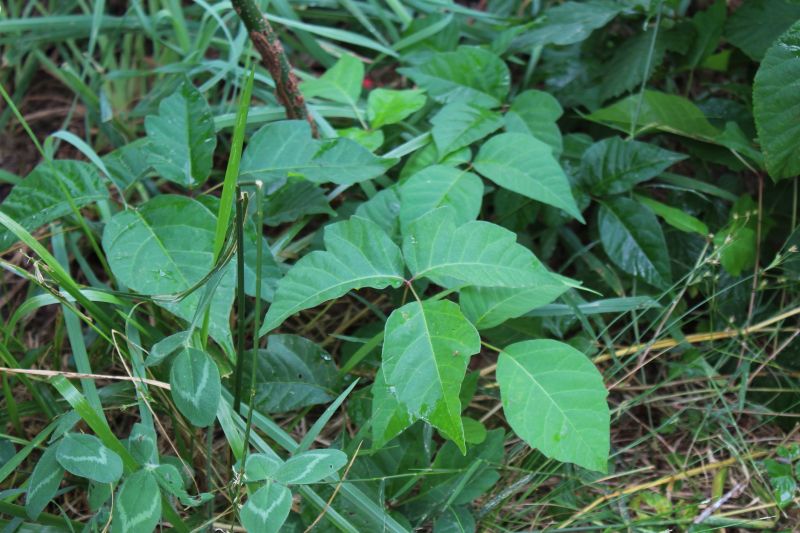
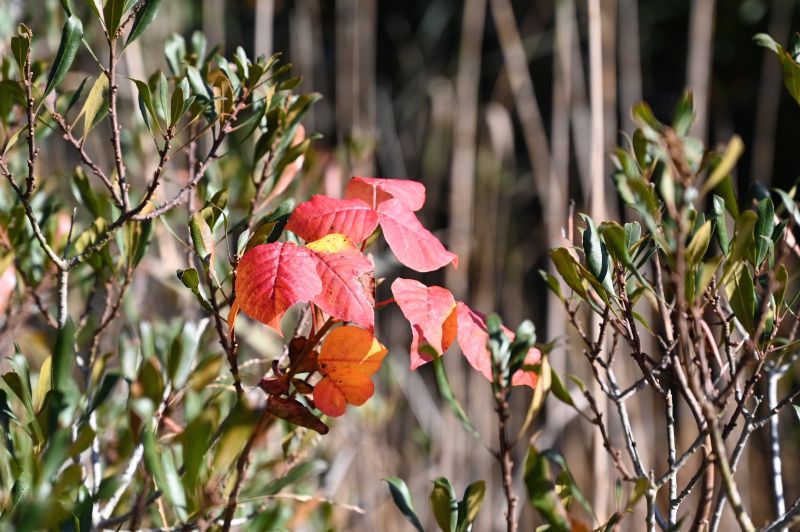
How can property owners identify poison ivy? Poison ivy has clusters of three leaflets with a shiny surface, often growing as a vine or shrub, and may have hairy roots or stems.
Request Poison Ivy Removal in Burlington County, NJ
Use the quote form on this page to share the basics of your project and request more information for the type of work you need.